|
On-line coal analyzers have been in commercial use for over two decades, with historical applications predominantly supporting coal production operations. Peabody Coal and Arch Coal, the two largest U.S. producers, are among the coal suppliers that utilize on-line coal analyzers to reduce out-of-spec deliveries, improve consistency across a shipment, and utilize coal from multiple sources with widely varying qualities.
Initially sought for their ability to blend coals to a tight specification (i.e., sulfur), the unique needs of the power plant open a wide spectrum of new applications for the online coal analyzer. Concurrently, advancements in coal analyzers and their supporting software improve the applicability of the online coal analyzer to the coal-fired power plant.
Using the Technology
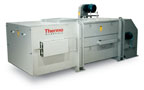
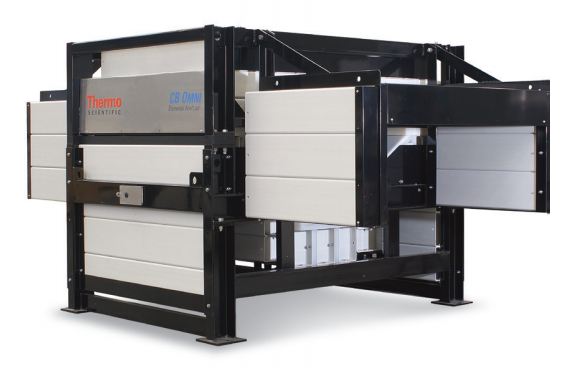
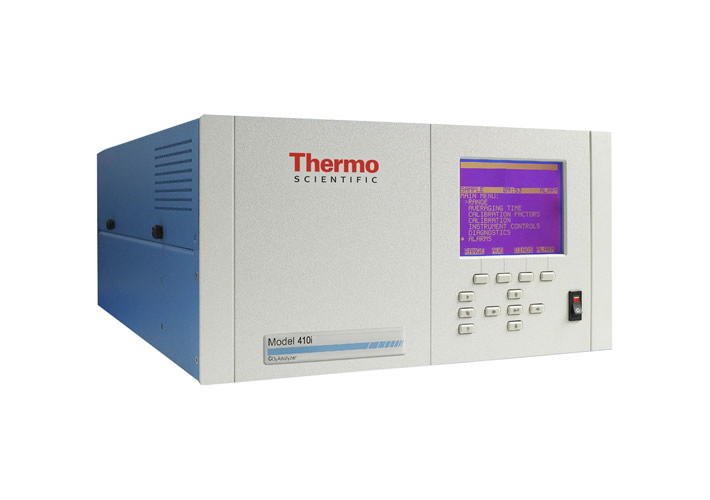
Today’s PGNAA coal analyzers come in essentially two variants: the Fixed-Geometry, sample-fed system and the Cross-Belt system. Today’s Fixed Geometry PGNAA analyzers are the most accurate elemental coal analyzers found in the market. Because the analysis zone of the Fixed-Geometry PGNAA analyzer is optimized for maximum uniformity and is not impacted by changes in belt loading that reduce the signal accuracy of any Cross-Belt system, the Fixed- Geometry system is still the analyzer of choice for applications that require the absolute best on-line accuracy. This level of accuracy is often utilized when contract loading a unit train or filling bunkers with blended coal to not exceed environmental emission limits such as SO2.
The introduction and commercial acceptance of the Cross-Belt PGNAA coal analyzer has allowed many PGNAA customers to control their processes with a slightly less robust and less accurate elemental coal analyzer that typically comes at a lower installed cost.
An additional software option that has recently become available is silo product tracking that uses PGNAA elemental coal analyzers to give the operator an expanded knowledge of the composition (sulfur, ash, moisture, and calorific value) of coal conveyed to multiple downstream silos or bunkers. This valuable tool gives the operator real-time awareness of the silo composition, which can be used to spot coal quality trends that might adversely impact the plant without operator intervention.
Applying Analyzers to Meet Specific Needs
Multi-Source Blending -- Arch Coal is the single largest user of elemental coal analyzers in the world. One of Arch’s most productive Appalachian properties was its Catenary Coal Samples mine complex south of Charleston, W.Va., until early 2006 when the mine was sold to Magnum Coal. The property consists of a surface mine and an underground mine, a prep plant, and a rail load-out. The mine produces products ranging from 10 to 33 percent ash, 0.5 to 2.5 percent sulfur, and 9,200 to 13,000 Btu/lb. The mine began using on-line analysis in 1993. In 2002, the mine added additional storage capacity, the ability to draw from four sources in meeting quality targets, a Coal Quality Manager (CQM) analyzer, and Coal Blending Optimization System (COBOS) software.
The COBOS system tracks the cumulative quality of each train and automatically adjusts the feed proportions from the four sources to meet the sulfur and ash targets simultaneously. The benefits are twofold. With more consistent quality, mine personnel are able to meet their customer’s quality specifications, thus building on their reputation as a consistent, reliable supplier. In addition, they give the mine and the prep plant much more operational flexibility knowing that they can handle wider ranges in source quality and still meet contract specifications.
A Utility Blending Application -- Generating companies are also beginning to recognize the benefit of being able to carefully control blended coal quality. An example is Reliant Energy’s Titus Station in Birdsboro, Pa. . In recent years, fluctuations in coal and emissions markets have caused Reliant Energy to consider burning alternate coals at Titus to reduce operating costs, however maintaining SO2 emissions within an acceptable range became a concern. Their solution consisted of a new coal handling system including an on-line coal analyzer and an automated blending system.
At the heart of Titus’ coal blending system is the Gamma-Metrics CQM on-line coal analyzer and COBOS software. Due to space constraints, coal must be blended as it is unloaded from the train. The initial target blend ratio needed to meet SO2 level is calculated by the COBOS system based on the analysis of the two coal sources. Key parameters are passed back and forth electronically between the analyzer and the control system via COBOS. Based on input from COBOS, the control system makes the required adjustments to both low sulfur and high sulfur feeder speeds to maintain the appropriate blend while maintaining coal throughput at a constant level.
With these improvements, the plant has been able to increase coal supply options and still satisfy emissions requirements, without any degradation in heat rate.
Using On-line Analyzers to Improve Unit Performance -- PacifiCorp has obtained significant value from the CQM analyzer installed in 2001 at their Hunter plant. The intended objective was to reduce lost generation and forced outages at the plant by controlling the ash fusion temperature. Minute-by-minute data from the analyzer has allowed the plant to supply more consistent coal blends to the units and has allowed the plant to maintain acceptable ash softening temperature of the blend while utilizing as much less expensive, low fusion coal as possible. With a more reliable coal blend Hunter Station has regained electrical generation capacity, more consistently achieved the maximum rated capacity, and improved availability. In addition, Hunter Station can now more effectively burn fuels from a variety of sources.
Breaking with Tradition: Maximizing Analyzer Benefit
Applying on-line coal analyzers to meet specific needs, as has been discussed thus far in this paper, represents an excellent opportunity for power plant improvement often with very short payback. However, an even greater opportunity comes from improving upon the information provided by the analyzer and incorporating it on a large scale with other plant decisions and controls.
Honing In on Quality -- Available systems currently “learn” how your unit reacts to certain coals. However this “experience” is most valuable if you know exactly what coal was put into the unit. To accomplish this, additional tools can be used in conjunction with the data provided by the coal analyzer to effectively identify an accurate and comprehensive representation of the coal that passed through the burners over time.
Matching Coal Quality to Performance -- Once an accurate characterization of the coal loaded into the plant’s bunkers is available, this characterization can be combined with a documented account of how the unit reacts to various coals to develop coal/performance correlations. The result is “experience” of how each unit reacts to each coal. This exact process was applied, to a limited extent, at the Hunter power station. The coal blend setpoint was determined based on plant experience that identified the coal quality (in this case, fusion temperature) that caused detrimental ash deposition. Automating the data collection and correlation process allows much broader characterization and control.
Once this experience is captured, correlated, and stored in an easily accessible and understandable format, it allows a better prediction of how a unit will react to a particular fuel. Customized views into this experience record can provide insight into coal-related decisions including coal purchase, coal delivery, coal stockout, and silo fill. It can help identify coals to meet specific (high or low) capacity or emissions goals. Data trending can provide further insight into coal-related unit performance, emissions, maintenance, and reliability impacts.
Predicting Performance based on Coal Quality -- There are several ways a good coal quality/performance characterization can bridge the gap between helpful information and informed operational decisions. One is to ensure that the coal loaded into the bunkers best meets the anticipated demand and current conditions of the plant.
While many detrimental plant impacts can be avoided in the coal yard via optimized bunker loading, some cannot. Minimizing delivered fuel cost, unavailability of a desired coal, or heavy rains will sometimes result in loading the bunkers with non-optimum coal. When this happens, ready access to coal quality and corresponding experience information in the control room will help plant operators adapt to the coal before it hits the burners. Using the coal analysis from the coal analyzer, the experience knowledge base is mined to identify periods when this coal was burned in the past that provide relevant experience to the current situation (demand, equipment states, etc.). The coal signature and corresponding unit operating characteristics and unit performance are then available to support informed decisions regarding the operation of the plant.
Conclusions
Current coal analyzer technology can provide information to the plant about coal being bunkered. When combined with an experience knowledge base that ties coal quality to unit performance, the operation of the unit can be predicted.
When taken together, these methods can dramatically shift plant personnel’s focus from reactive to proactive. In the world of ever-changing complexities associated with power plant operation, there is less “flying blind” and more informed decisions made as a result. The inherent data capture and sharing helps circumvent aging workforce issues by capturing coal-related knowledge known only by certain personnel, and making it available to the entire staff. It helps analyze decisions made in the past as well as predict the future. This is our approach to answering the question we all have: how can we make better decisions, while making our daily tasks easier?
For information on purchasing reprints of this article, contact sales.
Copyright 2011 CyberTech, Inc.
|
|












.jpg "Calcium")